Medical Insights By
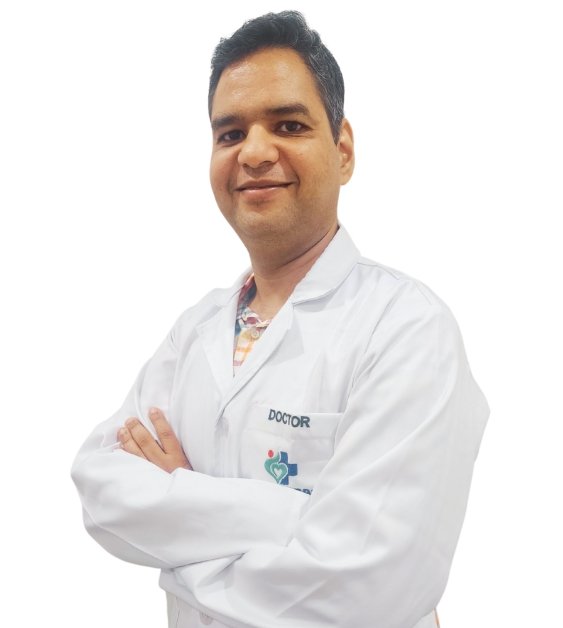
Dr. Gunjan Kumar did his MBBS from LTMMC (Sion hospital), Mumbai; MD in Medicine from PGI Ram Manohar Lohia Hospital (PGI RML), New Delhi; DM in Neurology from prestigious National Institute of Mental Health and Neurosciences (NIMHANS), Bangalore.He established the Department of Neurology...
Learn about neurological disorders, their symptoms, diagnosis, treatment, and prevention. Get expert brain and spine care from a trusted neurologist in Patna.
Comprehensive Guide to Neurological Disorders - Symptoms, Diagnosis, Treatment & Prevention
Neurological disorders are a wide range of conditions that affect millions of people and can affect the brain, spinal cord, and peripheral nerves. Timely diagnosis and treatment are essential in order to preserve quality of life and avoid complications. In case of any persistent symptoms like headache, dizziness, numbness, seizures, weakness, visiting a professional neurologist becomes mandatory. Those patients who are looking for the best neurologist in Patna or a reliable neurology hospital in Patna or even brain and spine care need to know the importance of early neurological assessment.
What is Neurology?
Neurology is a branch of medicine that deals with diagnosing and treating disorders that affect brain, spinal cord, nerves and muscles. Neurologists treat such conditions as migraines, epilepsy, stroke, Parkinson's disease, neuropathy, dementia, etc.
How Brain and Nervous System Function
The nervous system includes the brain, spinal cord and network of nerves responsible for transmitting signals all over the body. Nervous system regulates our movements, memory, sensations, speech, coordination of actions, breathing and many more other important processes. Any disorder of this signaling process can result in neurological disorders.
The Most Common Neurological Disorders
Some of the most common neurologic conditions are:
Stroke
Migraine and chronic headaches
Epilepsy
Parkinson's disease
Dementia
Peripheral neuropathy
Vertigo
Multiple sclerosis
Brain infections
Nerve compression disorders
People who are interested in Parkinson's disease treatment and other specific types of brain and spine care can greatly benefit from early diagnosis and treatment of the condition.
Early Symptoms
Do not ignore such symptoms as:
- Sudden severe headache
- Facial weakness
- Weakness or numbness of one side of the body
- Difficulties with speech
- Balance and coordination problems
- Persistent dizziness
- Vision changes
- Memory problems
- Tremors
- Seizures
Recognizing stroke symptoms is vital in this situation.
When to Visit the ER
In case of:
- Sudden facial weakness
- Paralysis of the arm or leg
- Difficulties with speech
- Sudden confusion
- Loss of consciousness
- Seizures for several minutes
- Sudden loss of vision
- Head trauma
Visit the ER as soon as possible. Prompt stroke treatment in Patna will help to decrease the risk of long-term disabilities and improve recovery.
Neurological Diagnostic Tests
Neurologist can recommend you:
- Neurological examination
- MRI scan
- CT scan
- EEG (electroencephalogram)
- EMG and nerve conduction studies
- Blood tests
- Lumbar puncture (if needed)
These diagnostic tools help to detect the cause of your condition.
Treatment Methods
Depends on the type of disorder it can include:
- medications
- lifestyle changes
- physical therapy
- occupational therapy
- speech therapy
- rehabilitation program
- pain treatment
- surgical referral (if necessary)
Multidisciplinary treatment usually helps to achieve great results.
Rehabilitation and Recovery
Process of rehabilitation is a part of recovery that lasts for a long time after treatment. The main goal of rehabilitation is to regain your mobility, speech, strength, balance, independence. Proper rehabilitation plan and regular monitoring will improve your recovery from stroke, neurological trauma or chronic neurological disorders.
Prevention of Neurological Disorders
Here are some tips how you can protect your brain and nervous system from diseases:
- control your blood pressure and diabetes
- exercise regularly
- eat healthy food
- do not use tobacco and excessive amount of alcohol
- have healthy sleep schedule
- manage your stress
- wear protective helmets during sports activities
- visit neurologist in case of persistent neurological symptoms
FAQ about Neurological Disorders
1. What conditions are diagnosed and treated by neurologist?
Neurologists treat disorders of brain, spine and nerves.
2. What are the early symptoms of stroke?
Facial weakness, arm weakness, difficulties with speech, sudden confusion.
3. When I need to visit neurologist?
In case of persistent symptoms like headaches, seizures, numbness, dizziness, memory problems, etc.
4. Can migraines be treated?
Yes. Proper evaluation helps to identify proper treatment options.
5. Is there a cure for Parkinson's disease?
Currently there is no cure for the condition, but proper treatment helps to manage symptoms.
6. What are the causes of neuropathy?
Possible causes of the disease are diabetes, vitamin deficiency, infections, nerve injury.
7. Do neurological disorders have hereditary nature?
Some have, some don't. Also these diseases can be caused by certain lifestyle and medical conditions.
8. What diagnostic methods are used in neurology?
MRI, CT scan, EEG, EMG, nerve conduction study, blood tests, neurological examination.
9. How can I prevent the development of stroke?
Controlling your blood pressure, regular exercises, avoiding tobacco and maintaining healthy lifestyle.
10. Why it is important to have timely diagnosis?
Prompt treatment helps to avoid complications and improve recovery.
Conclusion
Neurological disorders may appear to people of different age, however prompt identification, accurate diagnosis and proper treatment usually provide good results. No matter what symptoms bother you or you need to be evaluated for migraines, seizures, stroke symptoms or some kind of brain and spine care, visiting an experienced nerve specialist can help you to get proper advice. Jeevandan Health is focused on providing patient-centered neurological care with high level of evidence base, education and support.