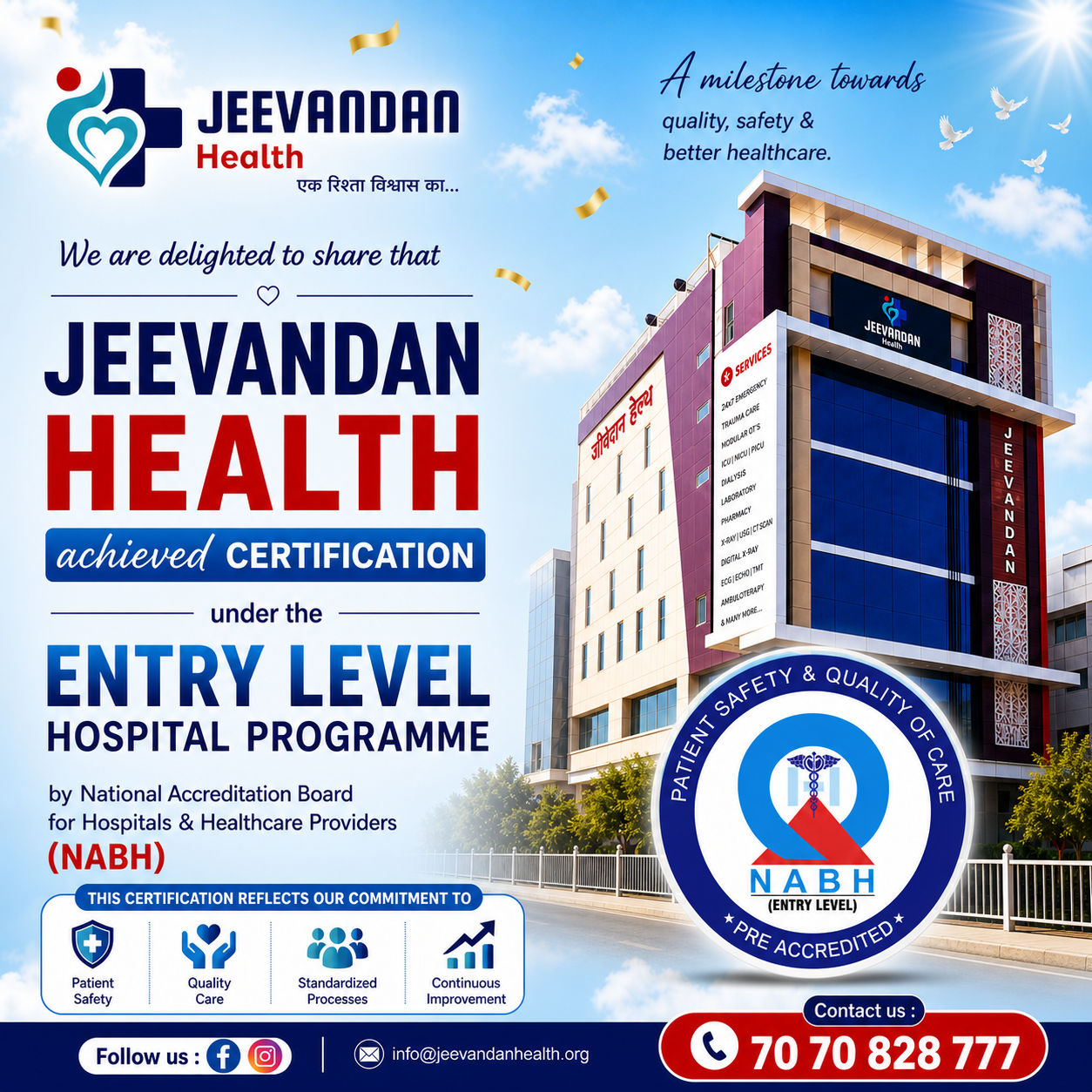
Jeevandan Health is a premier 100-bed multispecialty hospital located in the heart of Patna, Bihar, committed to redefining healthcare standards in the region.
Contact Us
Metro Piller No. 140, 3313 No, Bailey Road, Rps More, Patna - 801503 (Beside Indian Oil Petrol Pump)
Dr. Shyam Sunder – Best Neurosurgeon in PatnaDr. Shyam Sunder is a highly skilled and experienced neurosurgeon specializing in the diagnosis and surgical treatment of disorders affecting the brain, spine, and nervous system. With extensive expertise in advanced neurosurgical techniqu...
Find the best hospital in Patna for neurology in 2026. Compare top neuro hospitals, expert neurologists, treatments, and emergency stroke care options.
Top 5 Neuro Hospitals in Patna (2026)| Top Neurosurgeon
If you are in need of such medical facilities, below are some recommendations for the top neuro hospitals in Patna (2026), along with the information about their top doctors, features, and specialties.
Understanding Brain Strokes: Types and Critical Warning Signs
Before looking at top medical centers, it is vital to recognize that a stroke is a medical emergency. When symptoms strike, consulting an experienced brain specialist doctor immediately can save a life. Strokes generally fall into two major categories:
Ischemic Stroke: Accounting for nearly 85% of all cases, this occurs when a blood clot blocks or narrows an artery leading to the brain, cutting off vital oxygen and blood supply.
Hemorrhagic Stroke: This happens when a weakened blood vessel in the brain ruptures, causing bleeding into or around surrounding brain tissue. This type is often linked to severe, uncontrolled hypertension or ruptured aneurysms.
Transient Ischemic Attack (TIA): Often called a "mini-stroke," this is a temporary blockage of blood flow. While symptoms resolve quickly within minutes or hours, a TIA serves as a crucial warning sign of a potential major stroke ahead.
10 Practical Ways to Prevent a Brain Stroke
Protecting your cerebrovascular health involves steady lifestyle adjustments. Incorporating these ten habits significantly reduces your stroke risk:
Monitor Your Blood Pressure: High blood pressure is the single leading cause of strokes. Check it regularly and keep it managed under a brain specialist doctor's guidance.
Manage Diabetes Effectively: Keep your blood sugar levels within your target range to prevent damage to blood vessels throughout the body and brain.
Quit Smoking Completely: Tobacco smoke thickens blood and increases plaque buildup in arteries. Quitting dramatically cuts stroke risk within just a few years.
Maintain a Healthy Heart Rhythm: Conditions like atrial fibrillation (AFib) can cause blood clots to form in the heart and travel to the brain. Treat heart palpitations or irregularities early.
Adopt a Brain-Healthy Diet: Load your plate with leafy greens, whole grains, fresh fruits, and omega-3-rich fish while cutting back on processed trans fats and excessive sodium.
Stay Physically Active: Aim for at least 30 minutes of moderate aerobic exercise—like brisk walking, cycling, or swimming—most days of the week.
Limit Alcohol Consumption: Heavy drinking raises blood pressure and contributes to stroke risk. Moderate intake is key.
Keep Cholesterol in Check: High LDL ("bad") cholesterol builds up as plaque in your arteries. Regular lipid panels help you stay ahead of potential blockages.
Maintain a Healthy Weight: Excess body weight strains the cardiovascular system and increases the likelihood of high blood pressure, diabetes, and stroke.
Prioritize Quality Sleep: Chronic sleep deprivation or untreated sleep apnea places unnecessary stress on your cardiovascular and neurological systems.
Top Neuro Hospitals in Patna for Brain , Stroke and Parkinsons treatment
1. Jeevandan Health Multispeciality Hospital , Patna
Doctors: Dr. Gunjan Kumar, Dr. Shyam Sundar Specialties: Stroke care, migraine treatment, epilepsy, nerve disorders
Why is it unique? With each day passing by, Jeevandan Health is earning its name in the domain of reliable yet affordable neuro hospitals in Patna. Focusing on the timely diagnosis and personalized treatment of neurological conditions, it presents an interesting option for finding the best neurologist in Patna.
2. AIIMS Patna
Doctors: Dr. Sanjeev Kumar, Dr. Pramod Kumar Specialties: Neuro ICU, stroke management, brain tumors
Why is it unique? This renowned hospital can be counted on to deal with complicated neuro cases through coordinated efforts made by its multidisciplinary team. This government institution is famous for its affordability and efficient treatment.
3. Paras HMRI Hospital
Doctors: Dr. Ambuj Kumar, Dr. Kunal Kumar Specialties: Stroke care, brain surgery, neuro rehabilitation
Why is it unique? When it comes to emergency neurological conditions, this hospital is among those chosen the most due to its excellent staff and ICU assistance.
4. Jay Prabha Medanta Super Specialty Hospital, Patna
Doctors: Dr. Sanaullah Mudassir, Dr. Kunal Kumar Specialties: Epilepsy, brain disorders, nerve diseases
Why is it unique? With its advanced technology and treatment protocol, this hospital attracts patients who are looking for high-end care.
🏥 5. Advanced Neuro Hospital
Doctors: Dr. Udayan Narayan Specialties: Brain and spine disorders, epilepsy, stroke
Why is it unique? Being a specialized neuro hospital, this institution specializes only in neuro cases.
How Jeevandan Health is Contributing to Neurosurgery Care in Patna
As healthcare infrastructure rapidly evolves across Bihar, Jeevandan Health stands at the forefront of accessible, high-quality neurological and neurosurgical care in Patna.
Bridging the Gap in Emergency Response: Time is brain during a neurological emergency. Jeevandan Health connects patients seamlessly with rapid diagnostic evaluations and expert consultation channels.
Connecting Patients with Top Talent: By partnering with skilled practitioners and a trusted network of any qualified brain specialist doctoror neurosurgeon in the region, the platform ensures that families navigating complex spine or brain disorders receive accurate second opinions and timely interventions.
Spreading Awareness: Through targeted health awareness campaigns, blog resources, and community guidance, Jeevandan Health empowers residents across Patna and neighboring districts to recognize stroke warning signs early, reducing treatment delays and improving overall community health outcomes.
Recognizing the warning signs of a stroke early can literally save a life.
Healthcare professionals use the FAST acronym as a quick and reliable way to spot the most common symptoms:
F - Face Drooping: Does one side of the face droop, or is it numb? Ask the person to smile to check if it's uneven.
A - Arm Weakness: Is one arm weak or numb? Ask the person to raise both arms. Does one drift downward unexpectedly?
S - Speech Difficulty: Is their speech slurred? Are they unable to speak clearly, or do they find it hard to understand simple sentences? Ask them to repeat a simple phrase like, "The sky is blue."
T - Time to Call Emergency Services: If you observe any of these signs—even if they go away—time is critical. Every minute lost means millions of brain cells are affected.
Other Critical Signs to Watch For
While FAST covers the most common indicators, a stroke can also present as:
Sudden confusion, trouble speaking, or difficulty understanding speech.
Sudden trouble seeing in one or both eyes (blurring, double vision, or blackened sight).
Sudden trouble walking, dizziness, loss of balance, or lack of coordination.
A sudden, severe headache with no known cause.
What to Do Immediately
Call Emergency Help Right Away: In Patna or anywhere else in India, dial 112 (National Emergency Number) or 108 for an ambulance immediately. Do not wait to see if the symptoms pass on their own.
Note the Time: Look at your watch or phone and remember the exact minute when symptoms first appeared. This information is vital for the emergency room team and any evaluating brain specialist doctor, as certain clot-busting treatments must be administered within a strict time window (typically 3 to 4.5 hours from symptom onset).
Keep the Person Safe: Have them lie down in a comfortable position, ideally on their side with their head slightly elevated if they are vomiting or feeling dizzy.
Do NOT Give Medication, Food, or Water: Avoid giving aspirin, food, or water. If the stroke is hemorrhagic (bleeding in the brain) or if the person has difficulty swallowing, giving them anything by mouth can cause severe complications or choking.
Stay Calm and Reassure Them: Keep the patient as calm as possible while waiting for medical help to arrive.
What Should You Check When Choosing a Neuro Hospital?
While considering what hospital to opt for, pay attention to the following aspects:
Stroke care, migraine, epilepsy, neuro diagnostics
Modern basic setup
⭐⭐⭐⭐ (Affordable)
⭐ 4.9 / 5
Budget-friendly & personalized care
AIIMS Patna
Dr. Sanjeev Kumar, Dr. Pramod Kumar
Stroke, brain tumors, neuro ICU
Advanced (Govt setup)
⭐⭐⭐⭐⭐ (Very affordable)
⭐ 4.2 / 5
Complex cases & low-cost treatment
Paras HMRI Hospital
Dr. Ambuj Kumar , Dr. Kunal Kumar
Stroke, brain surgery, rehab
High-end ICU & tech
⭐⭐⭐ (Moderate)
⭐ 4.4 / 5
Emergency & critical care
Medanta Hospital Patna
Dr. Sanaullah Mudassir , Dr. Kunal Kumar
Epilepsy, nerve disorders, tumors
Premium infrastructure
⭐⭐ (Expensive)
⭐ 4.5 / 5
Advanced & premium care
Advanced Neuro Hospital
Dr. Udayan Narayan
Brain & spine disorders, stroke
Specialized setup
⭐⭐⭐ (Moderate)
⭐ 4.3 / 5
Focused neuro treatment
FAQs About Neuro Hospitals in Patna
1. What is the difference between a neurologist and a neurosurgeon?
Neurologists diagnose and treat nervous system disorders using non-surgical methods like medications, whereas neurosurgeons are specialized to perform surgical interventions on the brain, spine, and nerves.
You should seek an evaluation if you experience persistent symptoms such as chronic headaches, unexplained dizziness, sudden weakness, seizures, or memory loss.
3. What common conditions do neurosurgeons treat?
Neurosurgeons treat complex conditions including brain tumors, aneurysms, traumatic head and spinal injuries, slipped discs, and spinal stenosis.
4. Do all neurological disorders require surgery?
No, the vast majority of neurological conditions are managed successfully through non-surgical treatments like medications, physical therapy, and lifestyle adjustments.
5. What are the warning signs of a brain stroke?
Remember the FAST acronym: Face drooping, Arm weakness, Speech difficulty, and Time to call emergency services immediately.
6. How should I prepare for a neurosurgical procedure?
Preparation typically involves pre-surgical diagnostic imaging, blood tests, physical evaluations, and temporary adjustments to your medications under doctor guidance.
7. Is brain or spine surgery safe?
While modern minimally invasive techniques have made neurosurgeries significantly safer, all major operations carry inherent risks such as infection or bleeding, which your doctor will discuss with you.
8. What does the recovery process look like after surgery?
Recovery varies by procedure and often involves a short hospital stay followed by tailored physical, occupational, or speech rehabilitation.
9. What diagnostic tools do doctors use to evaluate brain and spine disorders?
Doctors rely on advanced imaging and testing technologies, including MRI scans, CT scans, EEGs, and EMGs.
10. How can I lower my risk of stroke or neurological disease?
You can lower your risk by managing blood pressure and diabetes, quitting smoking, exercising regularly, and eating a heart-healthy diet.