Know the causes, symptoms and treatment of sudden advanced heart failure, advanced cardiac care at Jeevandan Health and the best cardiologist in Patna.
What Happens When There Is Sudden Advanced Heart Failure? Symptoms, Causes, Emergency Treatment and Advanced Cardiac Care in Patna
Heart problems do not always give you plenty of warning. Sometimes, a person who has been living with a heart condition may suddenly develop severe breathlessness, chest discomfort, weakness or swelling. In other situations, a heart attack or abnormal heart rhythm can cause the heart's condition to deteriorate quickly.
This sudden worsening is often referred to as acute or decompensated heart failure. It can be serious and may require immediate hospital care.
Heart failure does not mean that the heart has completely stopped working. It means the heart is no longer pumping blood efficiently enough to meet the body's needs. As the heart struggles, fluid can build up in the lungs and other parts of the body, making breathing difficult and putting additional stress on vital organs.
What Happens During Sudden Advanced Heart Failure?
When the heart's pumping ability drops suddenly, the body tries to compensate by increasing the heart rate and retaining more fluid. While these responses may help temporarily, they can eventually make the situation worse.
Fluid may accumulate in the lungs, causing sudden breathlessness. A person may find it difficult to lie flat or may wake up at night struggling to breathe. Swelling can also develop in the legs, feet or abdomen.
In more severe cases, blood pressure can fall and the heart may no longer supply enough blood to important organs. This can lead to cardiogenic shock, a life-threatening condition in which the heart is unable to maintain adequate circulation.
That is why sudden worsening of heart-failure symptoms should never be treated as something that can simply be “waited out” at home.
Causes and Risk Factors Behind Heart Failure Progression
Heart failure can develop gradually over years, but certain conditions can make the heart weaker or cause an existing problem to worsen much faster.
Coronary Artery Disease and Heart Attack
Blocked or narrowed coronary arteries reduce the blood supply to the heart muscle. If a major blockage causes a heart attack, part of the heart muscle can become damaged, reducing its ability to pump blood effectively.
Uncontrolled High Blood Pressure
High blood pressure makes the heart work harder than it should. When it remains uncontrolled for a long period, the heart can become thickened, stiff or weakened, increasing the risk of heart failure.
Heart Valve Problems
Heart valves control the direction of blood flow through the heart. If a valve becomes narrowed or does not close properly, the heart may have to work harder to pump blood. Over time, this additional workload can contribute to heart failure.
Abnormal Heart Rhythms
An irregular or very fast heartbeat can interfere with the heart's ability to fill and pump properly. Conditions such as atrial fibrillation may also trigger a sudden worsening of existing heart failure.
Diabetes, Kidney Disease and Other Health Conditions
Diabetes, chronic kidney disease, thyroid problems and other medical conditions can place additional stress on the cardiovascular system. Managing these conditions is therefore an important part of long-term heart health.
Lifestyle and Other Risk Factors
Several factors can increase the risk of developing or worsening heart disease, including:
- Smoking or tobacco use
- High cholesterol
- Obesity or being overweight
- Excessive alcohol consumption
- Physical inactivity
- Poorly controlled diabetes
- Uncontrolled blood pressure
- Previous heart attack
- Existing coronary artery disease
- Existing valve disease
- Family history of certain heart conditions
What Can Trigger a Sudden Deterioration?
Even a person with relatively stable heart failure can experience a sudden worsening. Common triggers include a heart attack, uncontrolled blood pressure, abnormal heart rhythm, infections such as pneumonia, anaemia, thyroid abnormalities and problems with prescribed medicines or dietary restrictions. The 2022 AHA/ACC/HFSA heart-failure guideline also identifies acute coronary syndrome, arrhythmias, infection and medication or dietary non-adherence among factors that can precipitate acute decompensation.
Recognising these triggers early can help doctors address the underlying problem instead of treating only the symptoms.
Warning Signs That Should Never Be Ignored
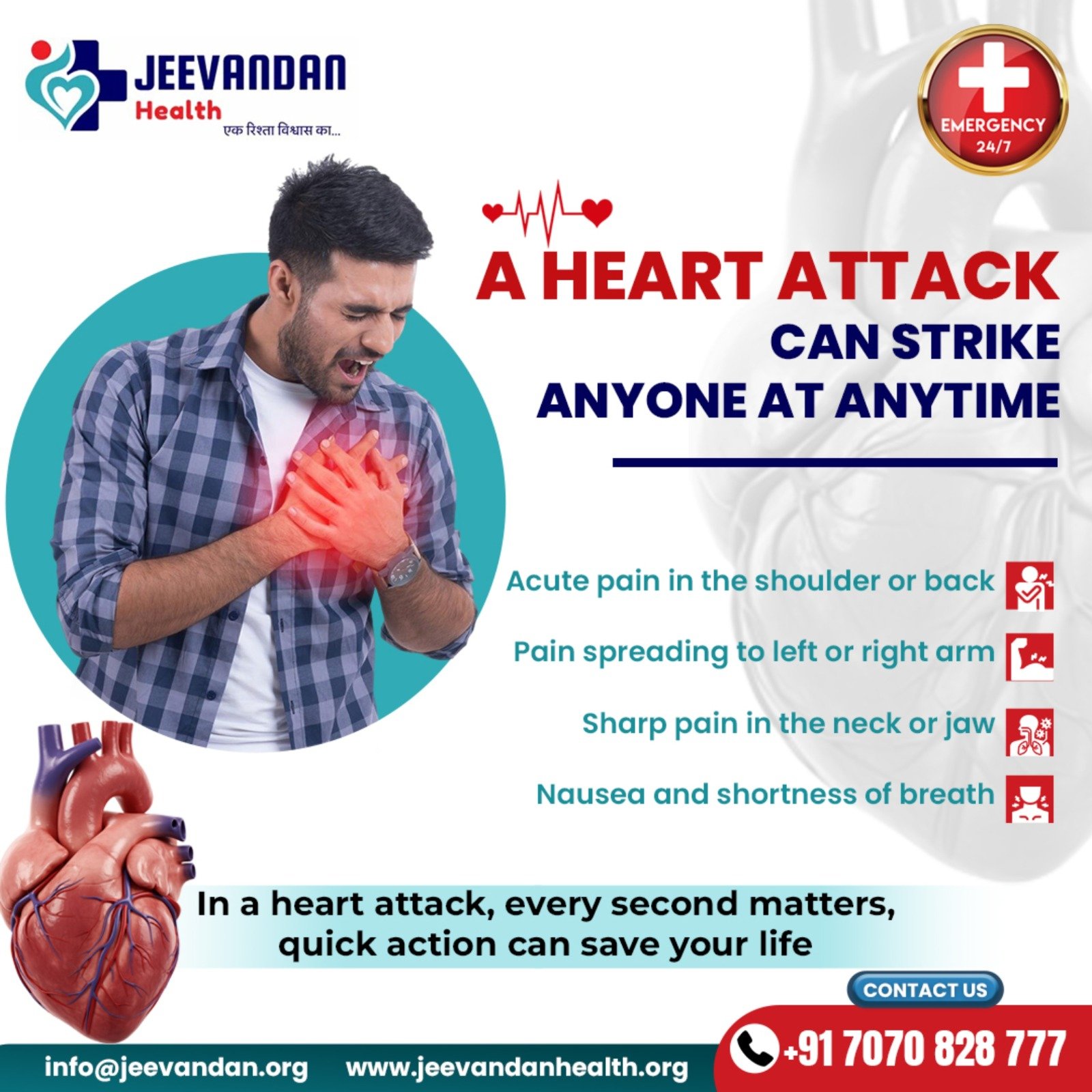
The symptoms of sudden heart failure can vary from one person to another. However, some warning signs deserve immediate attention:
- Sudden or severe shortness of breath
- Breathlessness while resting or lying down
- Chest pain, pressure or tightness
- Fainting or severe weakness
- Rapid or irregular heartbeat accompanied by breathlessness
- Sudden or rapidly increasing swelling of the legs or abdomen
- Confusion or unusual drowsiness
- Pale, blue or grey-looking skin or lips
- Coughing up white or pink, frothy mucus
- A sudden deterioration in symptoms in someone who already has heart failure
Sudden severe breathlessness, chest pain, fainting or coughing up pink, foamy mucus can indicate a medical emergency.
If these symptoms occur, seeking emergency medical help is far more important than trying to determine the exact cause at home.
How Is Sudden Heart Failure Treated?
Treatment depends on why the heart has suddenly worsened and how severely the patient is affected.
When a patient reaches the hospital, doctors may first assess blood pressure, oxygen levels, heart rhythm and breathing. Tests such as an ECG, blood tests, chest X-ray and echocardiogram may be used to understand what is happening and identify the underlying cause.
Depending on the situation, treatment may include medicines to reduce fluid buildup, manage blood pressure or support the heart, along with oxygen or breathing support when necessary.
If a blocked coronary artery or heart attack is responsible, doctors may need to restore blood flow through an emergency procedure such as coronary angiography followed by angioplasty and stenting when appropriate.
For some patients, treatment may involve management of abnormal heart rhythms, pacemaker or ICD implantation, valve procedures or cardiac surgery. The exact approach depends on the patient's diagnosis, overall health and severity of the condition.
Advanced Cardiac Technology at Jeevandan Health
Modern cardiac care is not only about medicines and surgery. Advanced imaging and monitoring technologies can help doctors understand what is happening inside the heart and blood vessels and guide certain procedures more precisely.
At Jeevandan Health, Patna, the cardiac-care setup includes a 3D-enabled Cath Lab with advanced imaging capabilities. According to the hospital, the facility incorporates biplane technology, 3D rotational angiography, Smart CT software and AI-assisted imaging and navigation.
1. 3D-Enabled Cath Lab
A Cath Lab is a specialised area where doctors can examine and treat certain heart and blood-vessel conditions using catheter-based procedures.
Jeevandan Health's 3D Cath Lab is designed to provide detailed imaging that can help doctors visualise cardiac structures and blood vessels during diagnostic and interventional procedures.
2. Biplane Imaging
Biplane imaging uses two imaging systems to capture views from different angles. This can help specialists see blood vessels more clearly while performing certain catheter-based procedures.
For patients undergoing complex interventions, having detailed images during the procedure can help the medical team plan and guide treatment.
3. 3D Rotational Angiography
3D rotational angiography creates three-dimensional images that can provide a more detailed view of blood vessels and certain cardiac structures.
Jeevandan Health states that its 3D Cath Lab uses this technology to support the assessment of blockages, vascular abnormalities and other conditions requiring image-guided intervention.
4. Smart CT and AI-Assisted Imaging
The hospital also describes the use of Smart CT software and AI-assisted imaging as part of its advanced cardiac technology. These tools are intended to support treatment planning and image-guided procedures.
It is important to remember that technology supports the medical team; it does not replace the experience and clinical judgement of qualified doctors.
5. Cardiac Monitoring and Critical Care
Patients with serious heart conditions may need close observation, especially when their condition is unstable. Continuous monitoring can help medical teams identify changes in heart rhythm, blood pressure and other vital parameters so that treatment can be adjusted when needed.
Cardiac Care with Dr. Danish Ahmad
At Jeevandan Health, cardiac and cardiovascular care includes specialist involvement from Dr. Danish Ahmad, Interventional Cardiologist
The hospital provides a range of cardiac services and procedures, including coronary angiography, angioplasty and stenting, pacemaker implantation, cardiac catheterisation and coronary artery bypass surgery.
For someone searching online for the best heart hospital in Patna, it is worth looking beyond a hospital's ranking or reputation alone. Emergency availability, specialist expertise, cardiac diagnostic facilities, Cath Lab technology, critical-care support and the ability to manage complex cases are all important factors to consider.
10 Most Common FAQs About Sudden Advanced Heart Failure
1. Can heart failure happen suddenly?
Yes. A person can develop acute heart failure or experience a sudden worsening of existing heart failure. A heart attack, abnormal heart rhythm, uncontrolled blood pressure or infection can sometimes trigger the deterioration.
2. Is sudden heart failure a medical emergency?
Severe or rapidly worsening heart-failure symptoms can be life-threatening and require urgent medical assessment. Sudden severe breathlessness, chest pain, fainting or signs of poor circulation should not be ignored.
3. What is the most common symptom of acute heart failure?
Breathlessness is one of the most common symptoms. It may become particularly noticeable during physical activity, while lying down or, in severe cases, even while resting.
4. Can a heart attack lead to heart failure?
Yes. A heart attack can damage the heart muscle and reduce its ability to pump blood effectively. A severe heart attack can also lead to cardiogenic shock.
5. Can blocked arteries cause heart failure?
Yes. Coronary artery disease can reduce blood flow to the heart muscle and contribute to heart failure. Severe blockages can also cause a heart attack, which may further weaken the heart.
6. What is a 3D Cath Lab?
A 3D Cath Lab is a specialised cardiac facility that uses advanced imaging to help doctors visualise blood vessels and guide certain minimally invasive cardiac procedures.
7. Can angioplasty help during a heart emergency?
When a heart attack is caused by a blocked coronary artery, angioplasty and stenting may be used to restore blood flow when medically appropriate. The decision depends on the patient's condition and the treating team's assessment.
8. Who is Dr. Danish Ahmad?
Dr. Danish Ahmad is an Interventional Cardiologist associated with Jeevandan Health, Patna, providing specialist cardiovascular and surgical care.
9. What advanced cardiac technology is available at Jeevandan Health?
Jeevandan Health states that its cardiac setup includes a 3D-enabled Cath Lab, biplane imaging, 3D rotational angiography, Smart CT software and AI-assisted imaging and navigation.
Look at factors such as the availability of cardiac specialists, emergency services, diagnostic facilities, Cath Lab technology, critical-care support and the hospital's ability to provide appropriate treatment for complex cardiac conditions.
Final Thoughts
Sudden advanced heart failure can be frightening, but recognising the warning signs early can make a significant difference. Severe breathlessness, chest pain, fainting, rapidly increasing swelling or a sudden change in the condition of someone with known heart disease should never be ignored.
Heart failure can have many causes, including coronary artery disease, high blood pressure, valve problems, abnormal heart rhythms and other medical conditions. Identifying and managing these factors is an important part of preventing further deterioration.
When an emergency does occur, the priority is rapid medical assessment. Doctors need to determine what has caused the sudden decline and then choose the most appropriate treatment. Depending on the situation, this may involve medicines, oxygen or breathing support, catheter-based procedures, angioplasty, devices or cardiac surgery.
For people researching the best heart hospital in Patna, it is sensible to consider the complete picture: experienced specialists, emergency cardiac care, modern diagnostic technology, Cath Lab facilities, critical-care support and the ability to manage complicated heart conditions.
At Jeevandan Health, advanced cardiac technology such as the 3D-enabled Cath Lab, biplane imaging and 3D rotational angiography is combined with specialist cardiac care, including the expertise of Dr. Danish Ahmad.
Most importantly, no online article can replace emergency medical care. If you or someone around you is experiencing severe breathlessness, chest pain, fainting or rapidly worsening heart-related symptoms, seek emergency medical attention immediately.